Illegal Bikes Parent Safety Guide for E-Bikes and E-Motos
How gifts, unlock menus, and peer pressure turn into seizures and injuries.
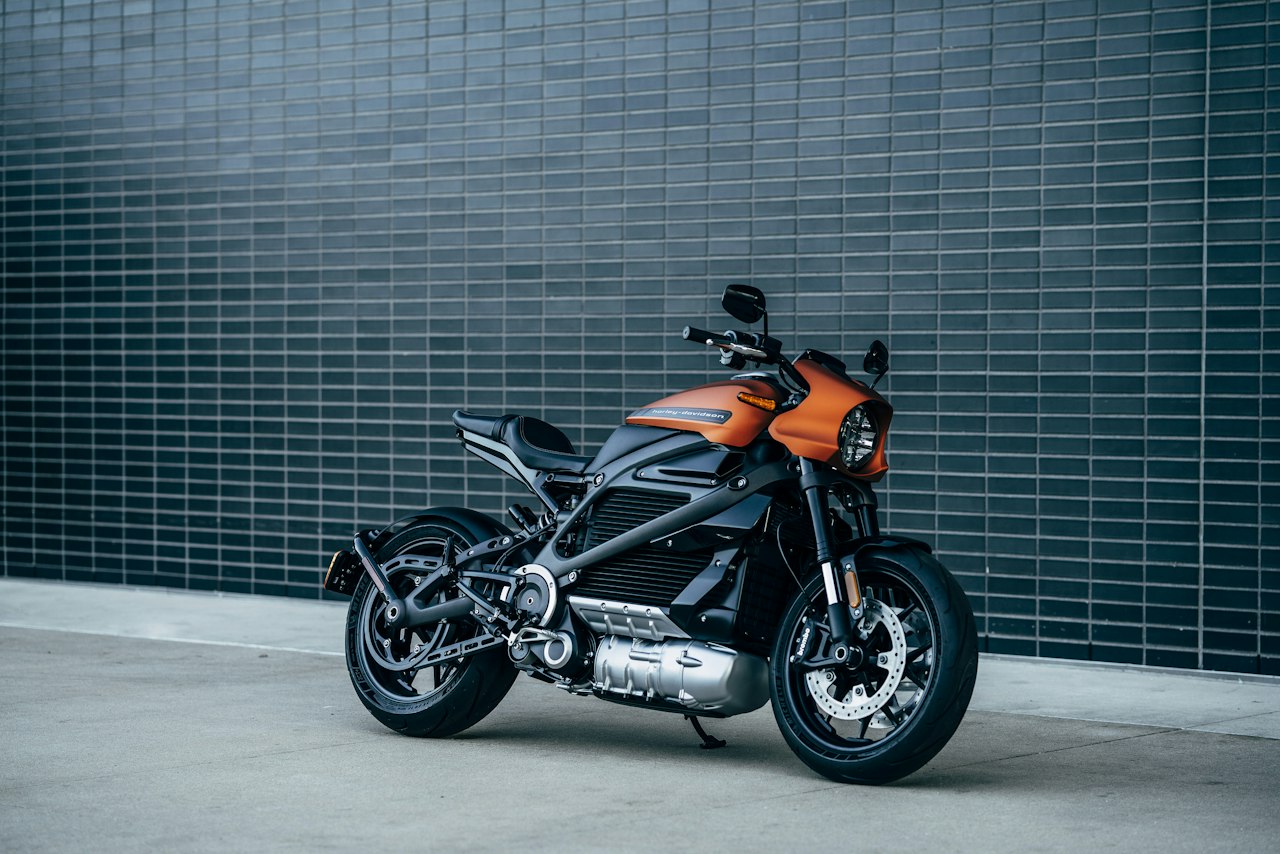
The gift that becomes a motor vehicle
Holiday ads and peer videos push powerful electric two-wheelers toward teens who cannot yet licence a motorcycle. Parents hear “e-bike” and picture a pedal-assist school run. What arrives may throttle to 40–60 mph, weigh as much as a light moped, and be illegal on every public street in town.
This guide is for caregivers who want speed-honest rules. Read it with how to identify, how to buy a legal e-bike, and your market’s law page under Laws.
Match the rider’s age to the class
In many US states Class 3 pedal-assist (up to 28 mph) is limited to riders 16 and older, sometimes with helmet mandates. Class 1 and 2 caps sit at 20 mph. UK EAPCs require riders to be at least 14 and still obey the 250 W / 15.5 mph envelope. Local path rules can be stricter than statewide minimums.
If your child is under those ages, do not buy a faster class “for growing into.” Buy the class they can legally ride now—or wait.
Questions to ask before you pay
- What continuous wattage and assist cutoff does the stock bike use?
- Can any menu, app, or cable raise those limits?
- Are the pedals real and usable, or decorative?
- Does our city allow this class on the paths to school?
- What helmet standard is required?
- What is the return policy if the delivered controller differs?
Write the answers down. Compare them to the legality checklist.
Peer pressure and “everyone has one”
Groups filmed doing wheelies on arterials are often on e-motos or derestricted machines, not Class 1 commuters. California coverage has described specialised prosecutions that can include adults who knowingly allow children to ride illegal e-motorcycles. UK forces warn parents before Black Friday that many marketplace “bargains” are not road-legal EAPCs. Share UK and Australia enforcement and US crackdowns if you need third-party voices.
Home rules that actually help
- No unlocking the controller—ever
- Helmet every ride, even on “short” trips
- No sidewalk racing or wheelie contests
- Charge batteries in a clear space, not under a bed
- Confiscate the bike for rule breaks the same way you would confiscate car keys
Supervising does not mean riding along every mile; it means controlling the configuration and the privileges.
If you already bought a non-compliant machine
Stop public-road use immediately. Check whether a return is possible. If you keep it, ask the DMV or local equivalent whether registration and a motorcycle endorsement are even available—some jurisdictions leave certain e-motos as private-property only. Do not assume decorative lights make it street legal.
If your teen already rides with a risky group, combine home consequences with how to report only when the larger group endangers others and you need police pattern data—never as a first parenting tool against your own child without a safety plan.
Talk about crashes without scare theatre
Use concrete local stories: seizures on bridges, cease-and-desist letters to retailers after a teen’s death, path petitions from residents who no longer feel safe walking. The timeline keeps those events dated. Pair fear with a positive offer: a compliant Class-legal bike, a skills course, or another activity budget.
Checklist for the next family meeting
- Watch one short police explainer together, then walk the identify guide
- Compare any wishlist bike to US, UK/EU, or Australia/Canada limits
- Agree on helmet, route, and unlock rules in writing
- Schedule a skills practice in a car-free area before school-route riding
Parents do not need to become mechanics. They need to refuse unlockable motorcycle power wrapped in bicycle branding.
Frequently Asked Questions
Quick answers drawn from the guides and law pages.
Is a throttle e-bike OK for a 12-year-old?
Usually no for public roads. Check age and class rules on the laws hub and prefer lower-speed compliant options—or wait.
What if the seller says it is fine for teens?
Get continuous power, cutoff speed, and unlock details in writing, then verify against how to buy a legal e-bike.
Should I seize my child’s non-compliant bike?
Stopping illegal public riding comes first. Arrange return, storage, or lawful registration paths rather than quiet permission.